
Paradoxical Vocal Fold Motion in Children: Evidence-Based Implications for Clinical Practice

Dr Lauren Crumlish PhD, Certified Practising Speech Pathologist 4 min read
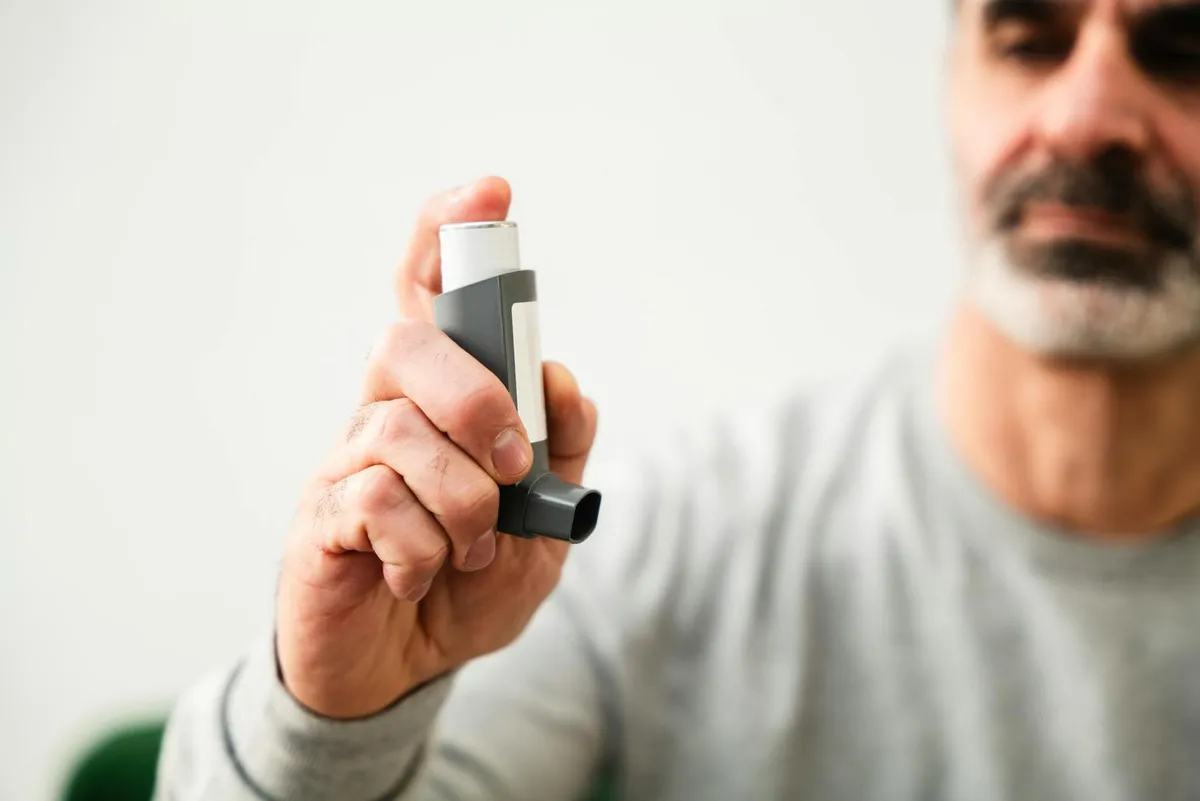
Paradoxical vocal fold motion (PVFM) in children poses significant diagnostic challenges and often masquerades as asthma, necessitating distinctly different treatments. Recent studies reveal that children participating in high-level sports are at increased PVFM risk, but they exhibit excellent outcomes with targeted speech therapy and management of comorbid conditions like reflux and asthma. For paediatric speech pathologists, early identification and multidisciplinary collaboration are key to successful treatment outcomes.
Imagine a child on the sporting field suddenly struggling to breathe during peak exertion—not due to asthma as often assumed, but from their vocal folds paradoxically closing instead of opening. This scenario depicts the challenging reality of PVFM, which significantly impacts the quality of life for affected children. The 2017 study by Smith and colleagues in the American Journal of Otolaryngology sheds light on this often misdiagnosed condition, particularly highlighting its prevalence among athletic children and the effectiveness of speech therapy interventions. For paediatric speech pathologists in the Australian healthcare context, understanding these findings is crucial for evidence-based practice and improving outcomes.
PVFM occurs when the vocal folds incorrectly adduct (close) during inhalation instead of abducting (opening), restricting airflow and causing distressing breathing difficulty. In children, PVFM manifests as sudden-onset dyspnoea, stridor, throat tightness, and voice changes, often resembling asthma, leading to frequent misdiagnosis and ineffective treatment approaches.
Smith’s study confirms PVFM presentations in children are complex and often overlap with symptoms of other conditions. This diagnostic complexity underscores the need for comprehensive assessments, including detailed case history, symptom pattern analysis, and potentially laryngoscopic examination in collaboration with otolaryngology colleagues.
Smith’s research also notably correlates PVFM with high-level sports participation, attributed to increased respiratory demands, performance anxiety, exposure to respiratory irritants, and altered breathing patterns, especially in competitive swimming and athletics. Proactive screening and preventive education, facilitated by collaboration with sports coaches and physical education departments, are crucial for early intervention.
Smith’s research further confirms speech therapy’s efficacy for PVFM, reinforcing a good prognosis with approaches including education, respiratory retraining, laryngeal control exercises, recovery strategies, and addressing psychological components. For Australian speech pathologists, employing these evidence-based techniques through structured therapy programs offers a promising management strategy across geographical distances, supported by telehealth services.
Comorbid conditions like asthma and gastroesophageal reflux significantly impact PVFM management. This necessitates multidisciplinary collaboration for comprehensive care, addressing all contributing factors to prevent triggers for PVFM episodes.
Translating Smith et al.’s findings into clinical practice involves enhanced screening, specialized programs for athletes, telehealth adaptations, education for parents and coaches, and establishing multidisciplinary pathways. By adopting these strategies, paediatric speech pathologists can improve outcomes for children with PVFM in Australia.
Smith et al.’s research provides valuable insights and guidance for enhancing service delivery models in Australian speech pathology practices to better serve children with PVFM. Ongoing research into speech therapy techniques for different age groups and telehealth models remains a priority to further improve care outcomes.
How is PVFM different from asthma, and why is the distinction important?
PVFM involves inappropriate closure of the vocal folds during inhalation, causing upper airway obstruction, while asthma involves lower airway constriction. The distinction is crucial because treatments differ significantly—PVFM responds well to speech therapy techniques focusing on breathing control and laryngeal relaxation, whereas asthma requires medication. Misdiagnosis can lead to unnecessary medication use and delayed appropriate treatment, which is why multidisciplinary assessment involving speech pathology is essential.
At what age can children typically begin speech therapy for PVFM?
Children as young as 7-8 years of age can typically engage meaningfully in speech therapy for PVFM, though approaches must be developmentally appropriate. Therapy involves education about vocal fold function, breathing exercises, and techniques to control laryngeal posture—all adapted to the child’s cognitive and physical development. For younger children, therapy often incorporates play-based activities and significant parent involvement to reinforce techniques in everyday settings.
Can children with PVFM continue participating in competitive sports?
Most children with PVFM can continue participating in competitive sports with appropriate management. Research, including Smith et al.’s study, indicates that with effective speech therapy intervention, symptom recognition, and management of comorbid conditions, children can learn to control their symptoms even during high-exertion activities. Developing individualised pre-competition routines, breathing strategies, and recovery techniques allows young athletes to pursue their sporting endeavours while managing PVFM effectively.
How long does speech therapy treatment for PVFM typically last?
Speech therapy for PVFM typically spans 6-12 sessions over 2-3 months, though this varies based on individual factors including symptom severity, presence of comorbidities, and adherence to practice. Treatment often follows a front-loaded model with more frequent sessions initially, followed by gradual spacing and check-ins. The good prognosis highlighted in Smith’s research suggests that many children respond well to relatively brief intervention when therapy techniques are consistently implemented.
What should parents and coaches look for to identify potential PVFM in children?
Parents and coaches should be alert to breathing difficulties that appear during exercise but resolve quickly with rest, particularly if accompanied by stridor (high-pitched breathing sound), throat tightness, or voice changes. Unlike asthma, PVFM symptoms typically resolve rapidly when exertion stops, don’t typically respond to asthma medications, and rarely occur during sleep. Episodes are often triggered by specific activities, emotional states, or environmental conditions. Early identification and referral to speech pathology can significantly improve outcomes and prevent unnecessary medical interventions.