Understanding Paediatric Speech & Language Disorders
Higher Level Language Development
Higher level language abilities are critical for social skills development and academic success With April Fool’s Day just passing, it’s...
Literacy Support
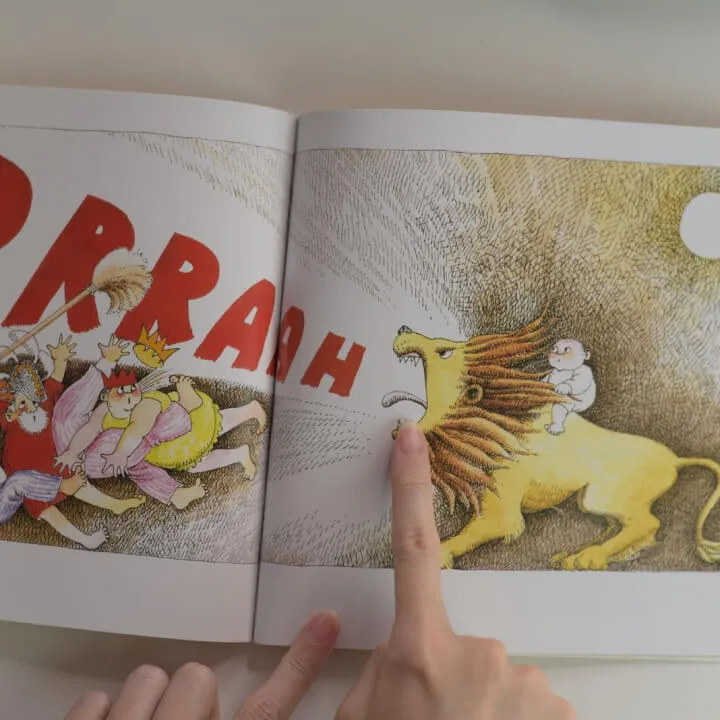
Literacy support helps children and teenagers who find reading, spelling or writing slow and effortful, including children with dyslexia or dysgraphia. Dr Lauren Crumlish (PhD) looks at the speech and language skills that reading is built on and works on them with your child online.
In plain terms
To read, a child has to decode the words on the page (sound them out or recognise them) and also hold on to and understand what those words say.
A child can struggle with either job or with both, and the reason can differ from one child to the next. Finding the reason is where literacy support begins.
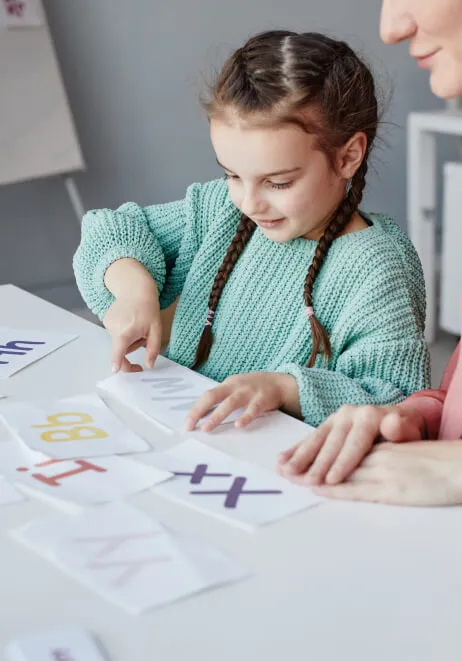
Some children stay slow, effortful and frustrated readers despite steady homework. These are the signs worth taking further.
Reading stays slow and effortful despite regular practice
Letters and their sounds are hard to learn and remember
Sounding out words and learning sight words are both a struggle
Your child can read the words but cannot tell you what the passage was about
Writing letters and words is hard
Before school, little interest in rhymes and books, or in the difference between letters and words
A speech pathologist working in literacy looks underneath the reading itself. As Dr Lauren explains in why reading is so difficult for some children, an assessment should consider each of the skills reading depends on and how it may be adding to the difficulty:
Oral language matters too. Understanding a page means understanding its words and how they fit together, so many children who have had language difficulties go on to find reading hard. Where both are involved, Dr Lauren considers language development and literacy together.
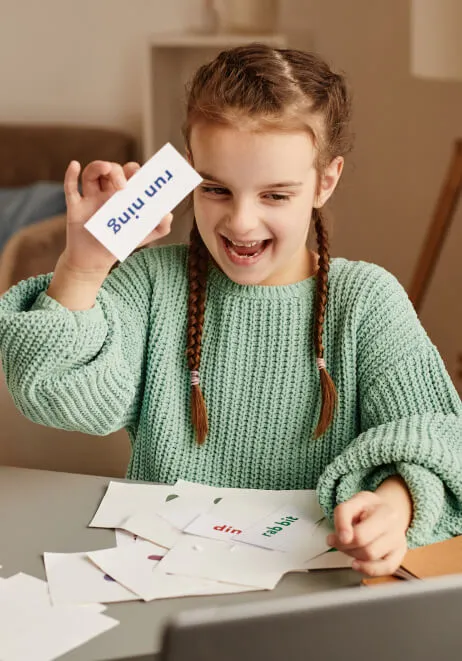
Online sessions can bring books onto the screen for shared reading, with work on phonological awareness, vocabulary and early literacy.
Sessions are held online by secure video, with shared books and reading activities on screen.
Dr Lauren looks at how your child reads and at the speech and language skills underneath, and asks what you and the school have noticed.
Therapy sessions are 45 minutes, held online, with books and reading tasks brought onto the screen.
You are given the tools to support reading between sessions. Home practice is one of the factors that most affects progress.
Dr Lauren tracks your child's progress and adjusts the plan as their reading develops.
The Mid-Length Assessment covers literacy challenges. The Long Assessment is a fuller evaluation of both language and literacy.
Therapy
Per 45-minute session + administration
$193
Matching assessments
$890
School-aged language, literacy challenges and social communication
$1,290
Comprehensive evaluation of both language and literacy for school-aged children
Medicare rebates are available with a GP referral. Private health and NDIS (self-managed or plan-managed) can also apply. See full pricing
Yes. Reading draws on speech and language processes such as phonological awareness and phonological memory, which sit within a speech pathologist's training. That lets a speech pathologist help with reading in ways other professionals may not.
Phonological awareness is a group of skills for listening to, noticing and changing the sounds in words, such as hearing a rhyme or splitting “cat” into c-a-t.
If reading, spelling or writing is the main concern, the Mid-Length Assessment is usually the place to start. Where language and literacy both need a detailed look, the Long Assessment covers both. Dr Lauren will recommend the right one once she understands your concerns.
Yes. Sessions are held online by video, and reading and phonological awareness work can be done on screen with shared books.














Dr Lauren works with a small number of families and has limited availability. Tell us about your child to be considered.
Apply For Consideration